
Let's talk about intermittent fasting, the wellness trend that has everyone either singing its praises or warning you to run in the opposite direction. You've probably seen the before-and-after photos, heard your coworker rave about how intermittent fasting for weight loss changed her life, or read a headline promising that this one simple trick will revolutionize your health.
But here's where it gets confusing: You've also probably heard that intermittent fasting for women over 40 can be problematic, that it might mess with your hormones, or that it's just another fad diet dressed up in scientific language. So which is it? Does intermittent fasting work, or is this just more wellness industry hype?
At HHWL, we believe in giving you the real tea; the nuanced, science-backed truth that acknowledges intermittent fasting isn't a one-size-fits-all solution. For some women, intermittent fasting benefits can be significant. For others, especially women dealing with perimenopause, menopause, or existing hormone imbalance, intermittent fasting can backfire spectacularly.
Let's dive into what intermittent fasting actually is, the potential intermittent fasting benefits and risks, and most importantly, how to figure out if it's right for YOUR body at THIS stage of your life.
What is intermittent fasting? Understanding the basics
Before we can answer "does intermittent fasting work," we need to understand what we're actually talking about. Intermittent fasting (IF) isn't about what you eat. It's about when you eat. It's a pattern of eating that cycles between periods of eating and fasting, also called time restricted eating.
Common intermittent fasting methods:
16/8 Intermittent Fasting (also called 16:8 fasting): This is the most popular intermittent fasting method. You fast for 16 hours and eat during an 8-hour eating window. For example, you might eat between noon and 8 PM, then fast from 8 PM until noon the next day.
18/6 Fasting: A slightly more restrictive version where you fast for 18 hours and eat during a 6-hour window.
5:2 Diet: You eat normally five days a week and restrict calories (usually to 500-600) on two non-consecutive days.
Alternate Day Fasting: You alternate between days of normal eating and days of fasting or very restricted eating.
OMAD (One Meal a Day): Exactly what it sounds like. You eat one meal within a 1-2 hour window and fast the rest of the day.
When people talk about how to do intermittent fasting, they're usually referring to one of these intermittent fasting schedules. The 16/8 method is generally considered the best intermittent fasting method for beginners because it's the most sustainable and least disruptive to daily life.
Intermittent fasting benefits: what the science actually shows
Let's start with the good news: there are legitimate intermittent fasting benefits backed by research. Understanding these benefits helps answer the question "does intermittent fasting work" with a nuanced "yes, but..."
Potential intermittent fasting weight loss benefits:
When done correctly, intermittent fasting for weight loss can be effective because it:
- Creates a calorie deficit without requiring you to count every calorie
- May help reduce overall calorie intake naturally
- Can help reduce belly fat and visceral fat specifically
- Supports better portion control during eating windows
Metabolic benefits:
Research suggests intermittent fasting benefits may include:
- Improved insulin sensitivity and better blood sugar control
- Enhanced fat burning, especially during fasted states
- Potential improvements in intermittent fasting metabolism
- Reduced inflammation markers in some studies
- Activation of autophagy (cellular "cleanup" process)
Other potential benefits:
Some studies on intermittent fasting results show:
- Improved mental clarity and focus during fasted states
- Better energy stability (once adapted)
- Simplified meal planning and food decisions
- Potential longevity benefits (though most research is in animals)
These intermittent fasting benefits sound pretty compelling, right? So why isn't everyone doing it, and why are we even asking "is intermittent fasting safe"?
The other side: intermittent fasting side effects and risks
Here's where the "hype" question becomes important. While there are real intermittent fasting benefits, there are also significant intermittent fasting side effects; especially for women, and especially for women over 40 dealing with hormonal changes.
Intermittent fasting and hormones: the complicated reality
The relationship between intermittent fasting and hormones is where things get tricky, particularly for fasting for women. Women's hormones are more sensitive to perceived starvation signals than men's hormones, and fasting can trigger stress responses that backfire.
When you fast, your body releases cortisol to help maintain blood sugar levels. For some women, especially those already dealing with chronic stress, this additional cortisol spike can:
- Worsen stress and anxiety
- Disrupt sleep quality
- Actually promote belly fat storage (the opposite of what you want!)
- Suppress thyroid function
- Interfere with sex hormone production
This is why intermittent fasting for women over 40 requires extra caution. Many women in this age group are already dealing with elevated cortisol from life stress, perimenopause symptoms, or existing hormone imbalance.
Intermittent fasting menopause and perimenopause considerations:
The question "is intermittent fasting healthy" becomes more complex when we're talking about intermittent fasting and menopause or intermittent fasting perimenopause. During this hormonal transition, women are already dealing with; declining hormones, potential insulin resistance or increased cortisol reactivity, more fragile blood sugar regulation, and more
Adding aggressive fasting to this mix can sometimes make things worse. Intermittent fasting menopause can work, but it requires a gentler approach than what works for younger women or men.
Common intermittent fasting mistakes that sabotage results
Even when intermittent fasting is appropriate for someone, there are intermittent fasting mistakes that can prevent results or cause problems:
1. Breaking your fast with poor food choices
Understanding what breaks a fast matters, but what you eat when you break your fast matters even more. If you're doing 16/8 intermittent fasting and then breaking your fast with a giant pastry and sugary coffee, you're spiking your blood sugar and undermining the potential intermittent fasting benefits.
2. Not eating enough during your eating window
Some women accidentally create too large a calorie deficit, which can slow metabolism and worsen hormone imbalance. Intermittent fasting for weight loss shouldn't mean starving yourself.
3. Overdoing caffeine
Many people ask about intermittent fasting coffee: yes, black coffee is generally fine during your fast, but overdoing it can spike cortisol and increase intermittent fasting side effects like jitteriness and anxiety.
4. Ignoring your body's signals
If you're feeling terrible, losing your period (if premenopausal), experiencing worsening menopause symptoms, or feeling constantly exhausted, these are signs that your particular intermittent fasting method isn't working for you.
5. Combining IF with intense exercise
Intermittent fasting and exercise need to be balanced carefully. Doing high-intensity workouts while fasted can be too much stress for women with hormone imbalance.
How to do intermittent fasting safely (if it's right for you)
If you've determined that you want to try intermittent fasting for women, here are evidence-based intermittent fasting tips for doing it safely:
Start gentle:
Instead of jumping into 18/6 fasting or OMAD, start with 12/12 (12-hour eating window, 12-hour fast). This is barely fasting, just not eating after dinner until breakfast, but it's a good way to test how your body responds.
If that goes well for 2-3 weeks, you can try 14/10, then gradually work up to 16/8 intermittent fasting if you want to. There's no need to push beyond what feels sustainable.
Choose your eating window wisely:
For women dealing with intermittent fasting and hormones concerns, having your eating window earlier in the day (like 8 AM to 4 PM) may work better than the more common approach of skipping breakfast. This aligns better with your body's natural cortisol rhythm.
Prioritize nutrient density:
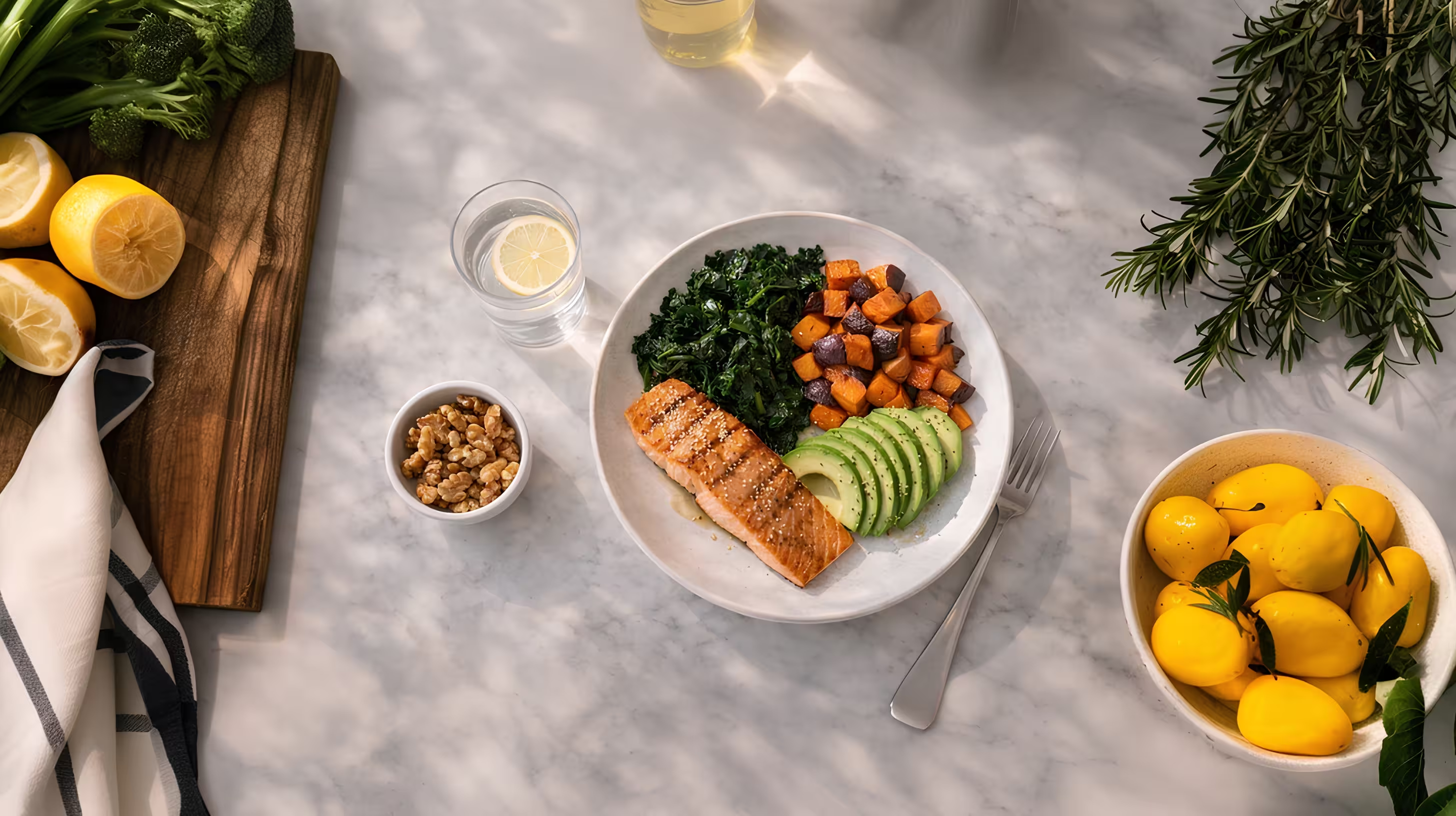
When you break your fast, focus on:
- Adequate protein (25-30g per meal minimum) to preserve muscle mass
- Healthy fats to support hormone production
- Plenty of vegetables for fiber and nutrients
- Complex carbohydrates in moderation
This maximizes the intermittent fasting benefits while minimizing risks.
Stay hydrated:
During your fasting period, drink plenty of water. Herbal tea and black coffee (in moderation) are also fine. Hydration supports the detoxification benefits and can help manage hunger.
Monitor your response:
Track how you feel, your energy levels, sleep quality, and any changes in menopause symptoms or menstrual cycle (if still cycling). If things get worse, that's valuable information.
Cycle your fasting:
For women, especially those dealing with intermittent fasting perimenopause or intermittent fasting menopause, it may work better to fast some days and not others, rather than every single day. This can reduce the stress signal to your body.
The hormone testing connection:
Here's what most intermittent fasting content won't tell you: whether intermittent fasting works for you has a LOT to do with your current hormone status. If you're considering intermittent fasting for women over 40 or intermittent fasting and menopause, it's worth getting your hormones tested first.
Understanding your baseline cortisol, thyroid function, sex hormones, and metabolic markers helps you make an informed decision about whether the potential intermittent fasting weight loss benefits outweigh the risks for your specific situation.
The balanced approach: intermittent fasting as a tool, not a religion
So, does intermittent fasting work? The honest answer is: sometimes, for some people, when done correctly, with appropriate consideration for individual circumstances.
Intermittent fasting benefits can be real, but they're not universal. The intermittent fasting results you see on social media may not reflect what happens when you try it, especially if you're a woman over 40 dealing with hormone changes.
The best intermittent fasting method is the one that feels sustainable for your lifestyle and supports your energy and well-being
For some women, that might be gentle 14/10 time restricted eating a few days a week. For others, it might be that traditional three meals a day with balanced nutrition serves them better at this stage of life.
When lifestyle optimization meets hormonal reality
Here's the truth that the wellness industry doesn't always acknowledge: you can have the perfect intermittent fasting schedule, eat all the right foods, and still struggle with weight, energy, and metabolism if your underlying hormones are significantly out of balance.
If you've tried intermittent fasting for women with careful attention to the intermittent fasting tips above and you're still experiencing:
- Inability to lose weight, especially intermittent fasting belly fat
- Crushing fatigue
- Worsening menopause symptoms
- Sleep disruption
- Memory concerns
- Complete loss of results after initial success
...it may be time to look deeper at your hormonal health. This is particularly true for women dealing with intermittent fasting menopause or intermittent fasting perimenopause who aren't seeing the intermittent fasting results they expected.
Sometimes addressing the underlying hormone imbalance first creates the metabolic environment where strategies like fasting can then be effective. Other times, focusing on hormone balance through other means is more appropriate than aggressive fasting approaches.
Results vary individually and BHRT does not guarantee results. This part of the hormone journey absolutely needs to be guided by licensed providers and treatment is appropriately determined by provider discretion.
Ready to find your best path forward?
Whether intermittent fasting is right for you or just hype depends entirely on YOUR unique situation. The only way to know for sure is to understand what's actually happening with your hormones and metabolism.

More articles for you
Explore more health topics and wellness strategies.