Let's have a real tea time chat about the promises of hormone-balancing foods. You’ve probably seen the viral posts: "Eat these 5 foods to fix your period!" or "This one seed will magically balance your estrogen!" Maybe you’ve even tried seed cycling, spent half your paycheck on "superfoods," and stocked up on enough kale to feed a small farm, hoping that the right diet would finally be the answer to your prayers.
But here you are. You’re still dealing with the mood swings, the stubborn weight gain, the 3:00 PM energy crashes, and the "wired but tired" feeling that brought you to BHRTea in the first place. So, what gives? Can food actually balance your hormones, or is this all just wishful thinking designed to sell you expensive grocery lists and wellness powders?
The truth lives somewhere between "food is everything" and "food doesn't matter." The reality is that your diet provides the literal building blocks for your endocrine system. But food isn't magic, and it works best as part of a comprehensive approach, especially if you're navigating the significant shifts of perimenopause or menopause.
Let's break down what a hormone-balanced diet can actually do, what's overhyped, and how to build a plate that works with your body's reality, not against it.
What food can actually do: the science of the "secret"
Before we dive into your grocery list, we need to talk about what eating for hormone balance realistically accomplishes. Understanding this helps set expectations so you don't feel like a failure when a salad doesn't cure your hot flashes overnight.
1. Food provides the building blocks
Your body doesn't just "wish" hormones into existence; it manufactures them from the nutrients you eat.
- Healthy Fats and Cholesterol: These are the raw materials for your sex hormones; estrogen, progesterone, and testosterone. If you are on an extreme low-fat diet, you are essentially starving your hormone production at the source.
- Protein: Provides the amino acids needed for hormone synthesis and supports your metabolic rate.
- Micronutrients: Vitamins and minerals act as "cofactors" or spark plugs that ignite hormone production.
2. Food influences hormone metabolism
It’s not just about making hormones; it’s about how your body processes and eliminates them once they’ve done their job.
- Cruciferous Vegetables: These support the liver in detoxifying excess estrogen.
- Fiber: Fiber is the "cleanup crew" that binds to used hormones in the digestive tract so they can be eliminated rather than reabsorbed.
3. Food affects blood sugar and insulin
This is the most critical biological link. Every time you eat, you trigger a hormonal response.
- The Chain Reaction: Balanced blood sugar leads to better insulin sensitivity. This reduces cortisol spikes, which in turn improves your sex hormone production. This is why we focus so heavily on blood sugar-balancing foods, it’s legitimate biology, not wishful thinking.
The "wishful thinking" part: what food CANNOT do
We have to be honest: your fork has limits. Food alone typically cannot:
- Reverse severe hormone deficiency: If your post-menopausal estrogen levels have dropped by 90%, a head of broccoli isn't going to bring them back to your 20-year-old baseline.
- Overcome significant clinical dysfunction: Severe thyroid issues or chronic, systemic "low-T" often require medical optimization alongside a healthy diet.
- Work instantly: Nutritional changes take weeks or months to show effects as your cells turn over and receptors begin to respond.
The best foods for hormone balance
Let’s get into the specifics. These aren't trendy "superfoods"; these are the staples that consistently show benefits in clinical practice.
Foods for estrogen and progesterone support
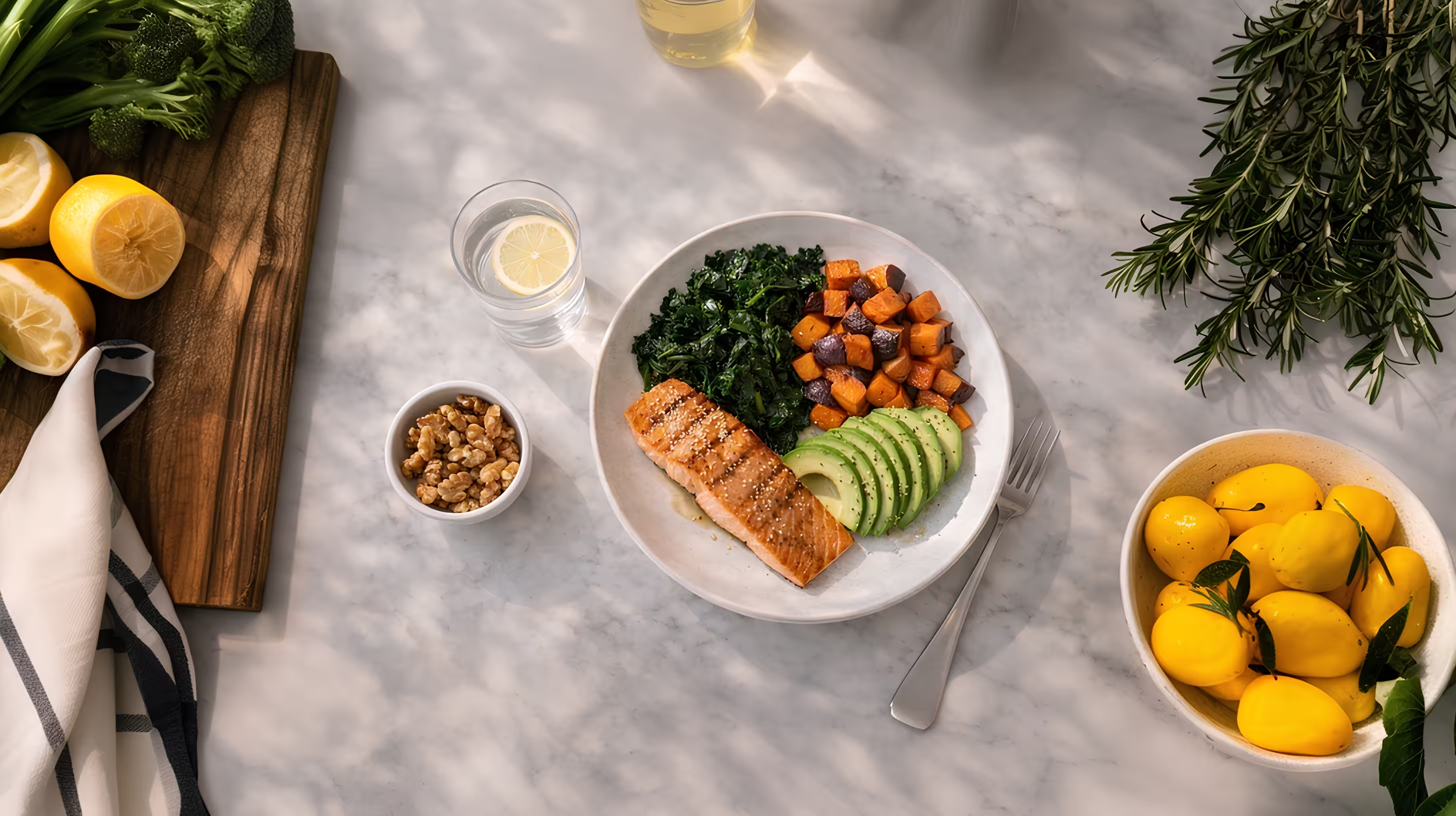
- The Cruciferous Family: Broccoli, cauliflower, Brussels sprouts, and kale contain compounds that support healthy estrogen metabolism.
- B6 and Magnesium Powerhouses: Chickpeas, salmon, leafy greens, and avocados support the natural production of progesterone. Magnesium is particularly important as it helps calm the nervous system and reduce cortisol.
- The Phytoestrogen Debate: Flaxseeds and legumes can provide mild estrogenic effects. While helpful for some, we always suggest testing your levels first to see if these are right for your unique blueprint.
Testosterone-boosting foods (for men and women)
- Quality Protein: Eggs, fish, poultry, and grass-fed meat provide the amino acids required for testosterone synthesis.
- Zinc-Rich Foods: Pumpkin seeds, beef, and chickpeas are essential for healthy T-levels.
The foundation: healthy fats and fiber
- Fats: Avocados, olive oil, nuts, and fatty fish are non-negotiable. Hormones are literally made from fats; without them, the "factory" shuts down.
- Fiber: Aim for 25–35g daily from berries, legumes, and vegetables. Fiber prevents the reabsorption of "old" estrogen, which is crucial for preventing estrogen dominance.
What to avoid: the hormone disruptors
Sometimes what you don't eat matters more than what you do. These are the "villains" in your hormone story:
- Excess Sugar: Directly spikes insulin, promotes inflammation, and disrupts the entire hormonal cascade.
- Processed Foods: Often contain hormone-mimicking chemicals and inflammatory oils that work directly against your goals.
- Excessive Alcohol: Increases estrogen, suppresses testosterone, and interferes with the deep sleep needed for hormone repair.
- Caffeine Overload: While a morning cup is fine, excessive caffeine elevations of cortisol can worsen anxiety and sleep issues.
Building your hormone-balanced plate
We believe in a simple, protein-forward framework that makes healthy eating feel like second nature rather than a chore.
- The Morning Meal: Start with protein to support stable cortisol and energy.
- The Midday Meal: Focus on metabolic stability with a large salad, lean protein, and healthy fats.
- The Evening Meal: Focus on hormone recovery with fish or lean protein and colorful vegetables.
When food isn't enough: the honest conversation
Here is what the "wellness influencers" won't tell you: you can eat the most perfect, organic, hormone-friendly diet in the world and still struggle if your levels are clinically depleted.
If you have been eating "all the right things" and you’re still experiencing crushing fatigue, complete loss of libido, or significant weight gain, it’s time to stop guessing and start testing. Food provides the building blocks, but it cannot replace hormones that your body is no longer physically capable of producing in adequate amounts.
This is especially true for postmenopausal women and men over 40 who have lost a significant percentage of their peak production. The most effective approach combines Lifestyle Optimization with Hormone Therapy. It’s not either/or…it’s both/and.
Results vary individually and BHRT does not guarantee results. This part of the hormone journey absolutely needs to be guided by licensed providers and treatment is appropriately determined by provider discretion.
Ready to build your hormone-supporting foundation?
Foods that balance hormones are powerful tools, but they work best when you know what you're working with. Understanding your baseline hormone levels helps you know if nutrition alone will be sufficient or if you need additional support.

More articles for you
Explore more health topics and wellness strategies.